Augmented 6th Chords, Advanced Figured Bass, and Four-Part Voice Leading
Introduction
Welcome to lesson 4. This week we will be exploring the Neapolitan and augmented 6th chords. These include the Italian, French, and German augmented 6th chords. Each of these is specific to a voice leading process. These chords can be used for very interesting chromatic harmonies. Next, we'll be looking at more advanced figured bass that contain the augmented 6th chords.
The composers we will be talking with in this lesson will be Bonnie Hayes, Bill Elliott, and Marti Epstein, answering the question of "How does music theory and history inform your composition?"
So, let's get started!
Objectives
By the end of the lesson, you will be able to:
understand the Neapolitan 6th chord, recognize and analyze it appropriately in chord progressions
understand the distinction between different types of augmented 6th chords, recognize and analyze them appropriately in chord progressions
understand more subtle distinctions in figured bass symbols and use them to describe musical examples
realize chord progressions that contain augmented 6th chords from figured bass in four parts with appropriate voice leading technique
understand and comment on how a selection of professional composers are influenced by historical practice in their writing
The European Connection 1: The Neapolitan 6th Chord
Throughout history, composers have sought to find new ways to make their music more expressive and dramatic. In Naples, Italy in the eighteenth century, composers were finding ways to set the high drama of opera to music. Naples is a city with a long history that is rich in music and the arts.
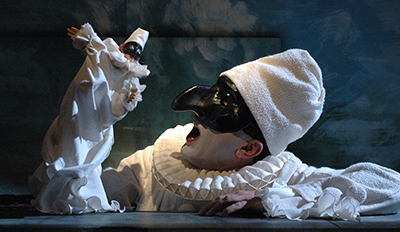
Pulcinella
Naples, in the sixteenth century, became the first city to establish conservatories to house and train orphan boys. The word "conservatory" came from "conservatorio" which was meant to "conserve" or save the children.
The teaching methods developed in these Neapolitan institutions were copied all over Europe, and eventually the world, therefore the "conservatory" came to represent an institution that specialized in teaching music.
Naples began a long proud tradition of producing the finest musicians in the eighteenth century. Alessandro Scarlatti, Giovanni Battista Pergolesi, Giovanni Paisiello, and Domenico Cimarosa were among the group of composers that we now refer to as the Neapolitan School.
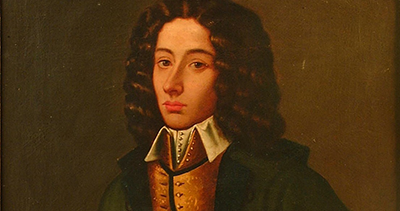
Pergolesi
Pergolesi's aria Tu me da me dividi from his opera "L'Olimpiade" shows off the dramatic and rich harmonic style of the Neapolitan School. The aria is sung by Simone Kermes.
 |
(missing audio)
|
You may recall from Music Theory and Composition 2 that one of the chords that the composers of the Neapolitan School used to create their dramatic harmonies was subsequently named a Neapolitan 6th chord due to its frequent use by this group. We'll further explore the possibilities of the Neapolitan 6th chord in this unit.
The Neapolitan 6th Chord Foundation
The Neapolitan chord is simply a major triad built on the lowered second degree of a minor or major scale.
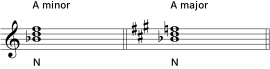
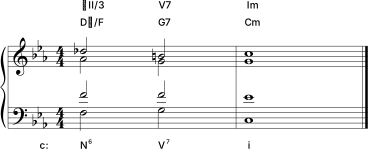
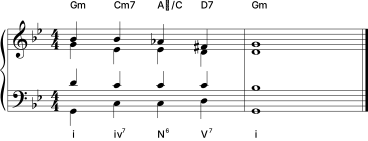
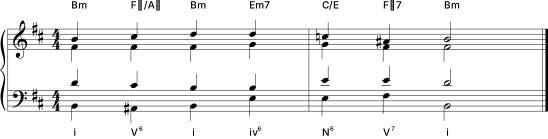
The chord is most often referred to as the Neapolitan 6th chord due to its frequent use in the first inversion. The chord is subdominant in function, and in classical music, most often progresses to the V chord. In the examples below, the classical Roman numeral analysis and figured bass is placed below the bottom staff and the contemporary analysis and chord symbols are placed above the staff. In order to have a full understanding of the music, we will use this analytical setup when we are analyzing classical music. Note that we are also voice leading in four-part SATB chorale style.
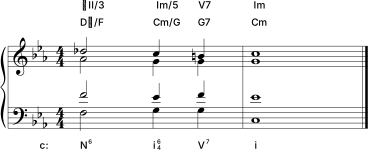
Composers often inserted a i6/4 chord between the N6 and the V7 to create even smoother voice leading. Notice that the diminished 3rd is now a chromatic stepwise descent.
Voice Leading the Neapolitan 6th Chord
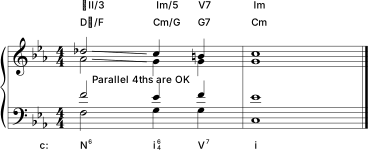
Typically, the Neapolitan chord is found in first inversion. When voice leading to i6/4 or V7, doubling the 3rd of the chord should ensure that there are no parallel 5ths or parallel octaves. The bass moves up a step to the root of the V7 chord or to the 5th of the i6/4 chord while the lowered second scale degree steps down to either the root of the i6/4 chord or the 3rd of the V7 chord. When voice leading from N6 to i6/4, keep the root or the 3rd of the N6 as the top note in order to avoid parallel 5ths. Parallel 4ths will result, but are acceptable in classical-style voice leading.
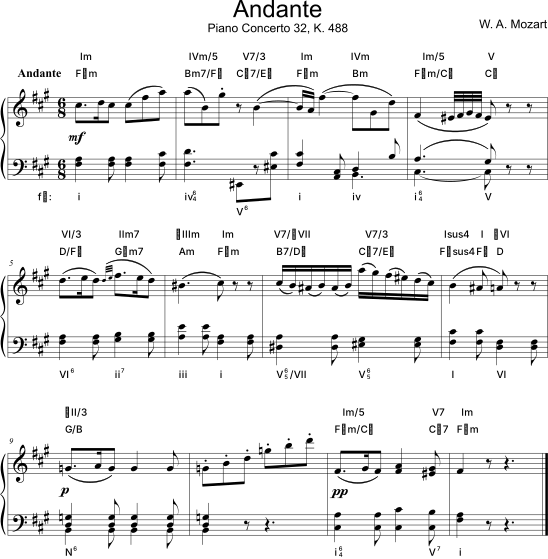
The Andante from Mozart's piano concerto K. 488 has a beautiful example of an N6 chord. Mozart plays with our aural expectations, introducing delicious chromaticism that borders on musical sleight of hand. In bar 6, Mozart sounds a bluesy ♯9 (B♯) in the melody that leads to C♯ while the harmony slides down to an F♯ minor chord denying the resolution to the expected A major chord. In bar 8, almost the reverse happens when an F♯sus4 chord resolves first to an F♯ major chord before sliding down to a D major chord. This sets up a beautiful N6 chord in bar 9 before the closing cadence in bar 11-12 that confirms the key of F♯ minor.
The Use of the Neapolitan 6th Chord in "Haunted"
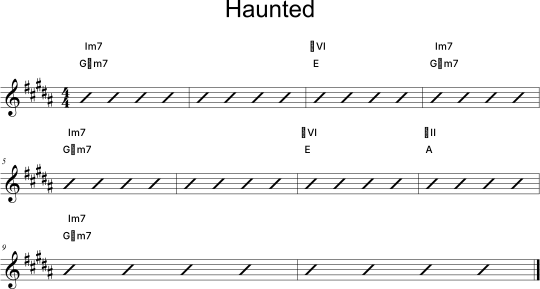
The Neapolitan chord doesn't appear as often as it once did, but it does make an occasional appearance, although it is most often found in root position. Beyonce's "Haunted" makes great use of the chord to set up a dreamy and somewhat otherworldly harmony. In this contemporary setting the chord will be analyzed as a 
Beyoncé. "Haunted" from Beyoncé [Platinum Edition] (Parkwood Entertainment/Columbia 2014)
Workshop: The Neapolitan 6th Chord
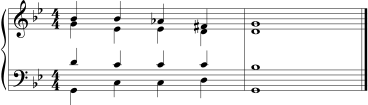
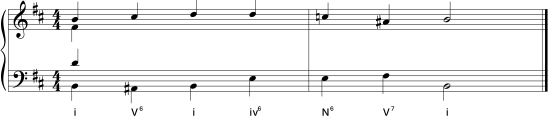
Analyze the following progressions using traditional Roman numerals under the staff and chord symbols above the staff.
Download The Neapolitan 6th Chord Workshop (PDF)
1.

2.
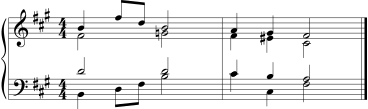
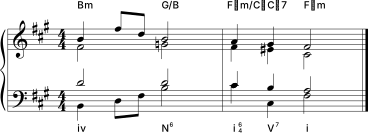
3.

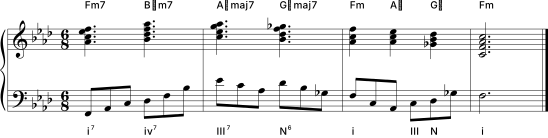
Complete the alto and tenor part in traditional SATB style. Add chord symbols over the staff.
4.
The European Connection 2: German, French, and Italian 6th Chords


German+6, Italian+6, or French+6: Which Is Which?

In lesson 3 we learned about the substitute dominant chord, a chromatic chord that introduces an exotic harmonic color into diatonic music. The substitute dominant is a color that we associate with jazz and gospel music and styles of popular music that bear their influence. Even so, this sound of descending half step resolution of the dominant chord is really centuries old, and has its historical antecedents in the augmented 6th chords of classical music, a type of chromatic harmony used by composers as early as the Renaissance as a predominant chord. A predominant chord is a harmony that progresses to the dominant. The augmented 6th chord is not a 6th chord in the modern sense such as C6 or C-6, a major or minor triad with an additional fourth note a major 6th above the chord root. Instead, it is named for the interval created by a dual chromatic approach from a subdominant function chord (IV or II-) to the V chord: the interval of an augmented 6th.
Augmented 6th Interval in Second Chord Created by Dual Chromatic Motion:

That interval is defined as the distance of six letter names inclusive (A up to F) and an exact distance of 10 half steps from the lowest note to the highest.
A
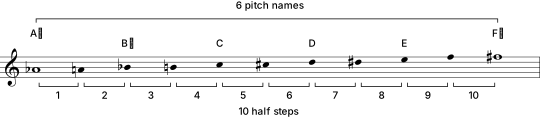
There are three different types of augmented 6th chords: Italian, French, and German. The actual historical geographic origin of each type is unknown and the chords themselves don't embody any particular nationalistic character. These are just the common names by which the different types of chords are referred. Each is identified by the chord from which it evolves (IV, II-7, or IVmaj7) and its own specific voice leading process.
The Italian Augmented 6th Chord
The Italian 6th (It+6) is derived from the IV chord in first inversion.
It+6 Chord in a Major Key:

In a major key, the bass descends a minor 2nd from La to Le and the root ascends a half step from Fa to Fi. The bass continues its descent to the root of the V chord as the soprano ascends to the same pitch. Notice in the Italian 6th that the interval created from the C to the F
When the It+6 occurs in a minor key, only the root of the iv chord is altered chromatically (scale degree 4 becomes
It+6 Chord in the Key of C Minor:

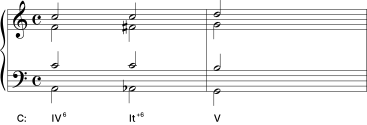
Of the three augmented 6th chords, the Italian is the only variety to have only three distinct pitches. So in four-part writing the tonic note of the key is usually doubled.
Italian 6th in Four Parts—Tonic Note Doubled in It+6:
The German Augmented 6th Chord
The German augmented 6th (Ger+6) chord in the minor key finds its start point in the iv7 chord in first inversion.
Ger+6 to V Creates Potential Parallel 5ths:

However, because of the potential parallel 5ths that would occur in the voice leading if the German 6th were to move directly to the V chord, this variety of augmented 6th chord usually progresses first to the cadential i6/4 before moving on to the V chord. This avoids the unwanted parallel 5ths.
German 6th Moves to Tonic in Second Inversion before V:

To help clarify, the intended voice leading in the major key the German 6th is often spelled as an altered ii7 in second inversion—raised root, raised 3rd, and lowered 5th.
Ger+6 Alternate Major Key Spelling:

The French Augmented 6th Chord
The French 6th (Fr+6) begins with the II-7 chord in second inversion.
The French Augmented 6th Chord:

The root of the II chord is retained in the Fr+6 creating a second tritone (Le to Re). This gives the French 6th a distinctive sound, much like the contemporary substitute dominant with its tension
Voice leading of Fr+6 vs. that of the subV7/V with T
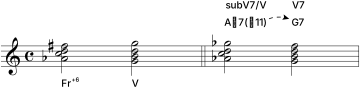
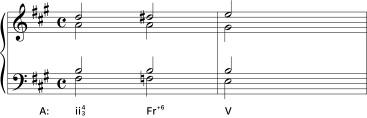
In the example below we see an example of the Fr+6 in four-part SATB texture in the key of A major.
French Augmented 6th in Four Parts:
The Augmented 6th Chord as Altered Dominant 7th
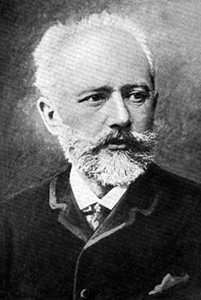
In each of the previous examples, the augmented 6th chord has appeared in a predominant position, much like the subV/V in contemporary practice. The Russian composer Pyotr Ilyich Tchaikovsky thought of another way to conceive of this harmony. In his text on harmony, Tchaikovsky introduced the augmented 6th chord as a dominant 7th chord in 2nd inversion with a lowered bass note. The result is a French augmented 6th chord that can conceivably function as a colorful alternative to the primary dominant as well as the other four secondary dominants.
V 4/3 becomes Fr+6:
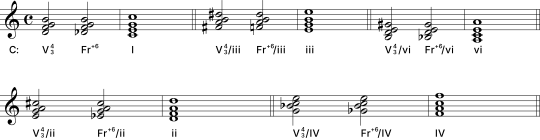
This conception of the French 6th became commonplace in the published sheet music arrangements of American popular songs beginning in the late nineteenth century.
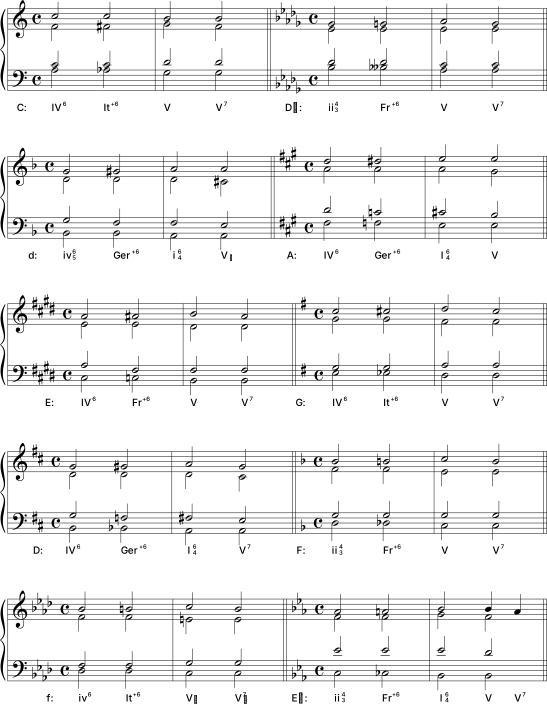
Workshop: 6th Chord Practice
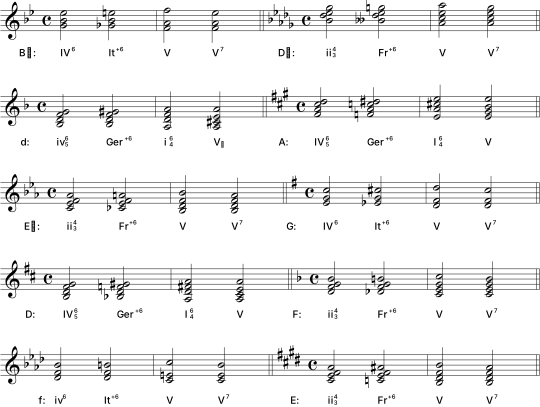
Download the attached PDF file and analyze the chord progressions identifying each augmented 6th correctly. Check your work against the answer key.
Download 6th Chord Practice Workshop (PDF)
Go Figure!: Advanced Figured Bass and Chains of Suspensions
As you learned in Music Theory and Composition 1 and 2, Baroque period classical music used figured bass similar to the way TAB is used in guitar music and chord symbols in lead sheets. Figured bass is a mix of "put your finger here," similar to TAB, and a chord symbol that defines what the notes are while giving the performer the leeway to voice chords as they prefer.
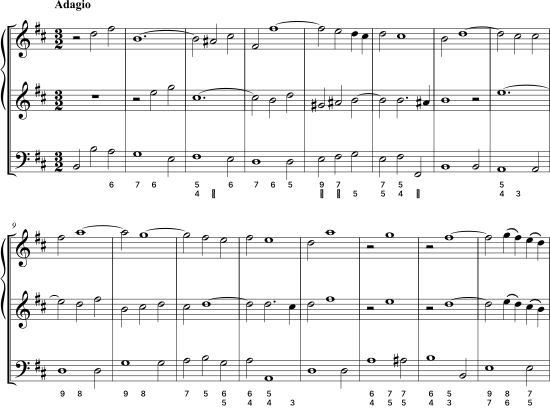
Arcangelo Corelli. Sonata No. 2 in D Major, Op. 3: III. Adagio
After its life as musical shorthand for chords, figured bass, when coupled with Roman numerals, was used extensively for the theoretical analysis of music. Many theorists and music educators still use figured bass as the primary analytical tool. Musicians also still refer to inverted chords using figured bass terminology. For example, you'll often hear a second inversion triad referred to as a "6/4 chord." For those reasons, it is still an important system for today's musicians to know. In this topic we will first be doing a figured bass review and then learning advanced figured bass.
Figured Bass Review
Before we jump into advanced figured bass, let's start with a figured bass review. The Figured Bass Review below shows the full figured bass numbers, the shorthand numbers, and the chord construction and inversion that the numbers imply.
Figured Bass Review
Chord tone |
Triad |
Triad |
Triad |
7th Chord |
7th Chord |
7th |
7th Chord |
Complete |
5 |
6 |
6 |
7 |
6 |
6 |
6 |
Abbreviated |
Nothing |
6 |
6 |
7 |
6 |
4 |
4 |
How to find |
Bass |
6th above |
4th above |
Bass |
6th above |
4th above |
2nd above |
Figured Bass Chromatic Alterations
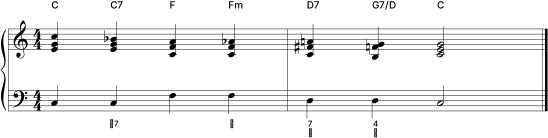
When the intervals above the bass note are not in the key signature, chromatic alterations are shown through accidentals. A lone accidental under the bass note applies to the 3rd of the triad or 7th chord. An accidental following a number applies only to the number and interval it represents. Figured bass, like chord symbols, didn't follow a single presentation. In some presentations, a slash through a number also meant to raise the note a half step, and in others, the accidental appears before the number.
Indicating Passing Tones and Non-Harmonic Tones
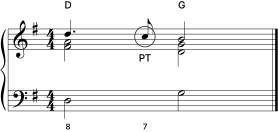
Passing tones and other non-chord tones are indicated a number between two bass notes.
Indicating Specific Voice Leading
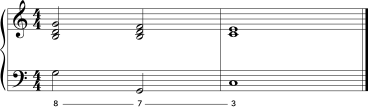
If a specific voice leading is desired, the composer indicates this by using a line connecting the numbers. In the example below, the root in the soprano of the G triad is to step down to the 7th (F) creating a G7 and then resolve to the 3rd (E) of the C major triad.
Indicating Suspensions
Baroque Composer, George Frideric Handel
Some Baroque period composers indicated intricate voice leading with figured bass, but since the performer realizing (playing) the figured bass was choosing voicings and often embellishing the harmony, most non-chord tones, other than suspensions, were not indicated. This is similar to a jazz guitarist playing from a lead sheet. The guitarist may choose to add appropriate tensions to the chords even if they are not part of the chord symbol. In the Baroque period and even beyond, the chords typically used were triads and 7th chords, so there was no need to indicate 9s, 11s, and 13s as they were considered dissonances. Even 7ths were considered to be dissonant and required special voice leading for resolution. After the Baroque period, most of classical music was fully notated and figured bass for the improvising keyboard or lute player was no longer needed.
When figured bass is used as an analytical tool, non-chord tones, other than suspensions, are generally not indicated.
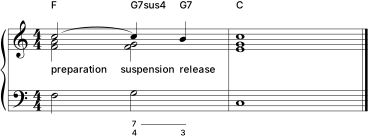
Let's take a thorough look at suspensions. Remember that suspensions in the classical style consist of three parts: a preparation, a suspension, and a resolution (release). Therefore, rather than leaping or stepping into a suspension, the suspension is connected to the preceding note that is a chord tone. In the example below, the 5th of the F triad (C) is the preparation, which becomes the suspended 4th of the G7 chord and is resolved (released) down by step to the 3rd (B) of the G7 chord.
Suspensions are indicated by a number between two bass notes. A connecting line indicates the continuation of a note.
Indicating a 4-3 Suspension
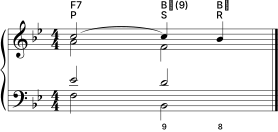
Indicating a 9-8 Suspension
The next example has the 5th (C) of the F triad tied over as the 9th (C) of the B
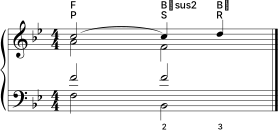
Indicating a 2-3 Suspension
Suspensions may also resolve upward by step. The example below has the 5th (C) of the F triad tied over becoming the 2nd of the B
Ornamented and Chain of Suspensions
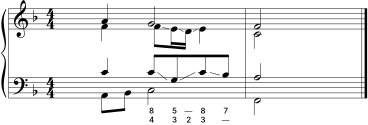
I-V7-I with Ornamented 4-3 Suspension
At times, a composer may want to indicate a more intricate voice leading. In this example, the upper row of numbers is realized in the tenor voice and the lower row of numbers is realized in the alto voice. The result is an ornamented 4-3 suspension coupled with a skipping tenor line with in the context of a I to V7 to I harmony. Study this excerpt from a Bach chorale closely as an example of smooth, yet ornamented, voice leading. This is a figured bass analysis of a written piece. Ornamentation such as this would have been left up to the performer and typically would not have been indicated on a score.
Chain of 7-6 Suspensions
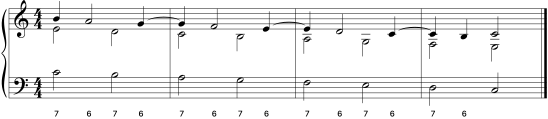
Renaissance (1450-1600) and Baroque (1600-1750) period composers loved the exchange of harmonic tension and release and chord progressions featuring chains of suspensions were very popular.
Recall that the interval of a 7th was considered a dissonance in classical music and was usually resolved downward by a step. This example shows a series of 7-6 suspensions. Each 7th resolves downward by a step into a first inversion triad. The pattern creates a pleasing exchange of tension and release.
Chain of Mixed Suspensions
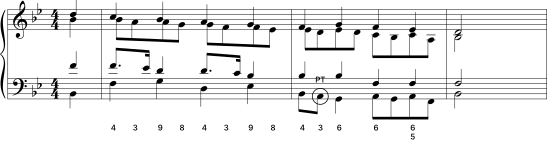
This example, an excerpt from a Bach chorale, features a combination of 4-3 and 9-8 suspensions.
Chain of Suspensions in “Pinball Wizard”
"Tommy, can you hear me, and all of the suspensions in "Pinball Wizard"?"
Chains of suspensions also occur in contemporary music. The opening of "Pinball Wizard" by the Who features a modern version of this technique. The difference is that only the last of the chain uses the traditional preparation, suspension, and release. The other suspensions are stepped into without preparation. Our modern ears are no longer offended by the unprepared dissonances! The progression begins on the I chord and moves down by step until it reaches the V7 chord. The
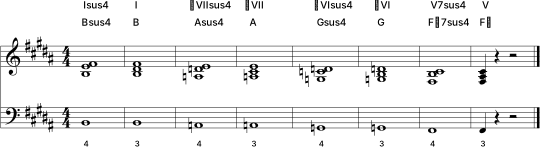
The Who. "Pinball Wizard," from Tommy. (Polydor Ltd./2013).
Using chains of suspensions is an interesting and time-proven way of extending a chord progression and creating a feeling of tension and release.
Workshop: Voice Leading and Suspension Practice
Using figured bass and Roman numerals, analyze the following examples.
Download Voice Leading and Suspension Practice (PDF)
1.


2.
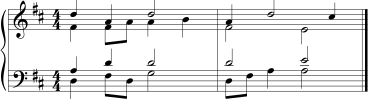
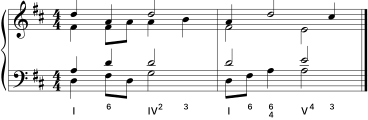
3.
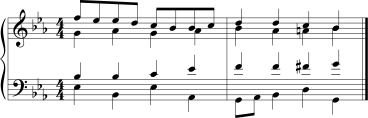
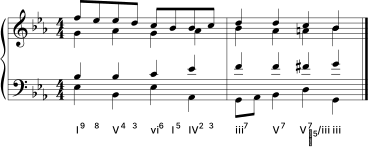
4.
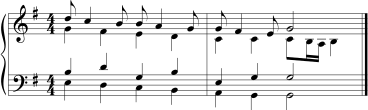
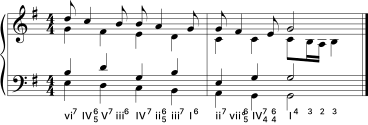
Voice lead the following examples by filling in the middle two voices in SATB style. Take care to prepare the suspensions when possible and then resolve by step. Provide a Roman numeral analysis of the chords underneath the bottom staff.
5.
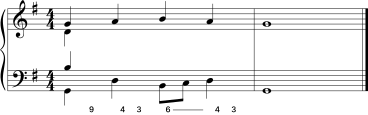
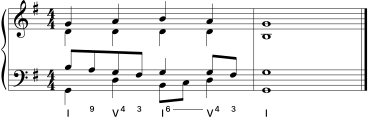
6.
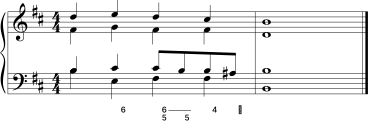
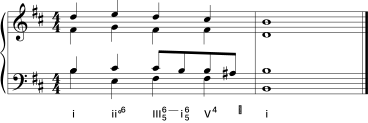
Putting It Together: Four-Part Voice Leading of Augmented 6th Chords
As we discuss voice leading processes for each of the augmented 6th chords it's good to remember some of the principles of voice leading practice in the classical tradition. Functional bass lines often skip around by intervals of a 3rd, 4th, or 5th. In the upper voices, (soprano, alto, and tenor), we should aim for efficient smooth voice leading that involves 1) keeping common tones in the same voice from harmony to harmony and 2) as much step-wise motion as possible. We also want to avoid parallel 5ths between voices as this compromises the clarity of each individual voice part. As you create melodies for each voice, try to allow each voice to follow the natural scale tone tendencies of the key as much as possible. This will ensure that your music flow freely and your parts will be easy to play and to sing.
Voice Leading the Italian Augmented 6th
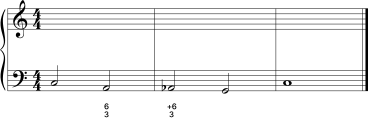
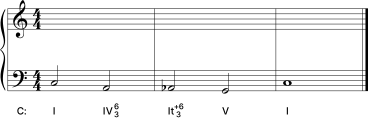
The first example is a figured bass line containing an augmented 6th chord. Our goal is to realize it in four-part SATB texture. First let's work out an analysis based on the figures. Because of the absence of a key signature, we might begin by assuming this passage is in the key of C (Do, La, Le, Sol, Do). That assumption is confirmed because the bass line starts on C and ends G to C on chords that are in root position. Remember, bass notes without figures indicate harmonies in root position. So our first, fourth, and fifth chords are I, V, and I respectively.
The second bass note A has the figures 6 and 3 indicating a first inversion triad. A diatonic 6th above A is F and the diatonic 3rd is C, creating an F triad in first inversion. The next measure begins with the bass note A
Figured Bass:
Figured Bass with Analysis in the Key of C:
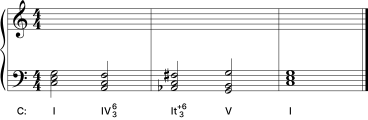
Bass Line with Analysis and Pitches in Close Position
This shows all of the pitches have been added over the bass in close position. The Italian augmented 6th is a triad, so when its melodic tendencies progress, F♯-G and A♭-G, the result is an incomplete V chord (no 5th). See the fourth chord of the progression above.
Soprano Starts on G with Close Spaced Alto and Tenor
The next step in the process is to choose a starting note for the soprano melody, here we have chosen G. Since the soprano is low in range (below the center line of the staff) it makes sense to choose a close spacing. This ensures that the middle voices, alto and tenor, will not exceed their low range limits.
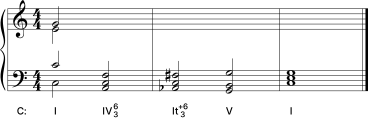
You'll remember that in chorale style a close-spaced chord is one in which the three upper voices are as close together in range as possible. Working downward from the G in the soprano, the alto voice is the next chord tone descending—E. The next chord tone—C—is given to the tenor voice but written in the bass clef. This voicing will be the starting point for working out melodies for each of the upper three voices.
The notes in the first chord are C, E, and G and in the second chord: F, A, and C. The tone common to both chords is C, so let's retain that note in the tenor voice. This allows the alto to move by one step up to F, and the soprano note G to move by one step up to A. Contrary motion to the bass in the soprano and alto and efficient voice leading in all three upper voices!
Voice Leading from Chord 1 to Chord 2
Here we can see the pitches of the It+6 in close position A♭, C, F♯. As we move from chord 2 to chord 3, the C is again the common tone, so let's place C in the tenor voice once more. The F in the alto will of course move up to F♯.
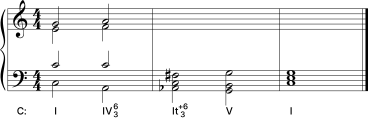
Voice Leading from Chord 2 to Chord 3
In the soprano voice we have two possible options: move A down to A♭, or A up to C. A to A♭ is the closest move. But, a move from A to A♭ in the soprano will create unwanted parallel octaves between the soprano and bass voices. You'll remember from earlier that the general procedure for It+6 chords is to double the tonic note. Since that's the case, let's go with a move in the soprano from A up to C. Notice how the spacing of the It+6 is now open rather than close. This is appropriate, as the soprano has now moved up in range past the centerline of the staff.
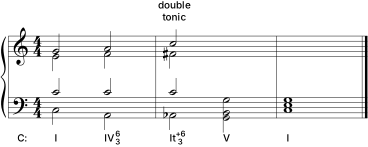
Chord 3 to 4, Open Spacing to Close Spacing
From chord 3 to chord 4 we could return to close spacing of the upper voices:
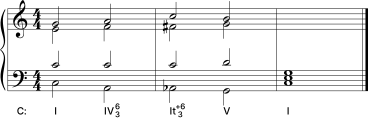
Or we could maintain the open spacing. Let's choose the open spacing for now. This is an arbitrary choice, as either spacing will allow us satisfactory voice leading opportunities and lead to a musical result.
Maintaining Open Spacing from Chord 3 to 4
From chord 3 to chord 4 let's move the soprano up to D. The F♯ in the alto voice must resolve upward to G and fulfill its tendency. The C in the tenor voice will then move down to B in sonorous parallel major 10ths with the bass. This results in the V chord being in true open spacing.
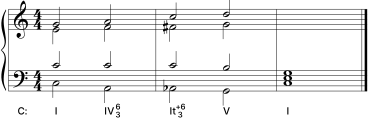
Open to Open, Chord 4 to Chord 5
From chord 4 to chord 5 there are a number of satisfactory ways to finish the phrase. But if our goal is to maintain the open spacing, let's follow this procedure: the D in the soprano voice moves down to C (Re-Do). The G in the alto will skip down by a minor 3rd to E. The tenor in chord 4 is the leading tone of the V chord. Of course the tendency of this tone at the cadence is to move up to C (Ti-Do), but since the leading tone is in an inner voice, we may resolve it freely to the 5th of the tonic chord. The result is an open-spaced I chord that matches the sonority of chords 4 and 5.
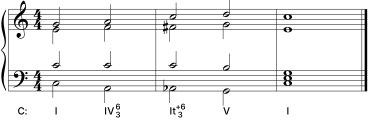
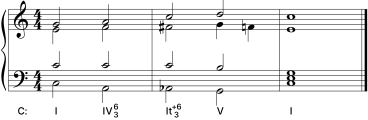
Passing Tone in Alto in Measure 2 Creates V7
The skip of a 3rd in the alto voice between chords 4 and 5 offers an opportunity to insert a passing tone F that results in a full dominant 7 harmony on the fourth beat of measure 2. Placing a passing tone between the B and G in the tenor voice would be inadvisable though, as it would call attention to the free resolution of the leading tone. Also, the descending melodic motion Ti-La-Sol will call undue attention to the 5th of the tonic chord. Best to keep free resolution of the leading tone under the rug!
So, with one nationality already dealt with, let's move on to the French+6 chord.
Voice Leading the French Augmented 6th Chord
Let's analyze the harmony again. The bass notes without figures are root position triads. Chord number 2 has figures 4 and 3 indicating the second inversion of a 7th chord. A second inversion chord has the 5th in the bass so the root of this ii7 chord is D. Chord number 3 is our Fr+6. See the Bass Line Analyzed example below for a complete analysis in C.
Bass Line with Fr+6:
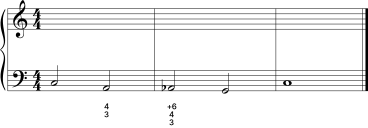
Bass Line Analyzed:
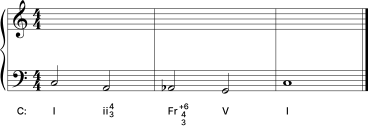
Chords in Close Position
Below we've worked out the notes of the chords in close position over the bass note.
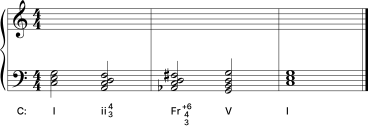
Chord 1 - Open Spacing
Now we need to choose a starting note for the soprano voice and an appropriate spacing for the first chord. The example below shows a soprano voice starting on C5 and an open spaced voicing for chord 1. Let's proceed from there and work out the voice leading for the progression.
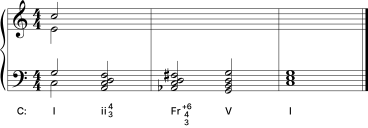
Chord 1 to Chord 2
The common tone from chord 1 to chord 2 is C. Let's retain that in the soprano voice since the C in the bass already moves down to A. Moving both the alto and tenor voices down by a step complete the chord. This results in smooth and efficient voice leading.
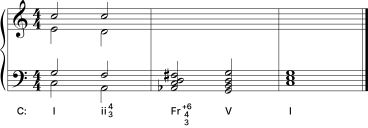
Chord 2 to Chord 3
The move from chord 2 to chord 3 also involves retaining common tones C and D in the soprano and alto voices. F, the 3rd of the ii chord in the tenor voice, will move up to the F
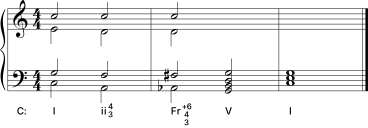
Chord 3 to Chord 4
From chord 3 to chord 4 we have a single common tone: D. Let's retain it in the alto voice. The F
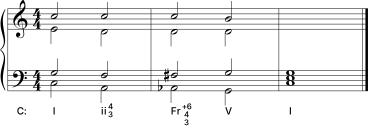
Chord 4 to Chord 5
From chord 4 to chord 5 the leading tone in the soprano voice must resolve up a half step to C (Ti-Do). The common tone G can be retained in the tenor voice and a move up a step in the alto will complete the final chord by providing the third—E.
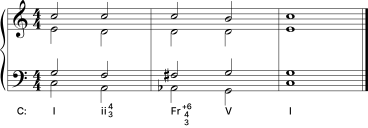
Take time to sing through each of the melodic lines created by this voice leading. Each melody is smooth and easily sung.
Voice Leading the German Augmented 6th Chord
Now with Italy and France conquered, let's move on to the German augmented 6th! As you'll recall from earlier the Ger+6 has two possible spellings. Let's begin with the one commonly associated with major key applications. Once again we have our familiar bass line in the key of C: 1, 6,
Bass Line with Ger+6 in Major Key:
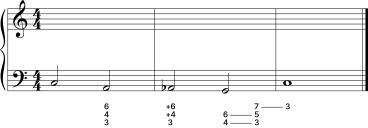
The figures are almost exactly the same as those of the Fr+6 in the previous section. Can you see the distinction? The Ger+6 has a raised 4 as well as a raised 6. As a result the progression changes slightly after the Ger+6, moving to a second inversion tonic chord rather than V in root position as in the previous examples. Try to work out an analysis in Roman numerals now for the progression.
Bass Line Analyzed:
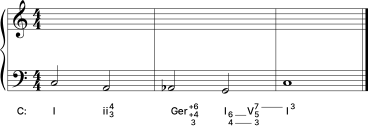
Close Position Chords over Bass Line
Now let's work out the notes indicated by the figures in close position above the bass as we have previously.
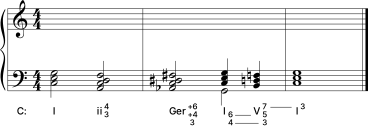
Chord 1 in Open Position Voicing
Now we'll arbitrarily choose a starting pitch for the soprano—E5, and an appropriate open spacing for the voicing of chord 1. When the soprano starts on a note on the center line of the staff or above, an open spacing will help to keep the alto and tenor voices within their respective ranges.
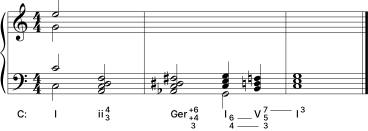
Chord 1 to Chord 2
Just as in the previous example, the tone that is common to both chord 1 and 2 is C. Let's retain that note in the tenor voice. The soprano may move down from E to D and the alto from G to F. We now have a complete ii7 in second inversion.
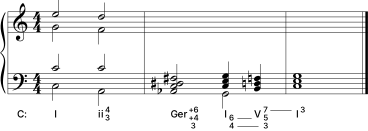
Chord 2 to Chord 3
From chord 2 to chord 3 we'll also retain the C in the tenor voice. The soprano D is a 4th above the bass in the ii chord, and will move to a raised 4 (D
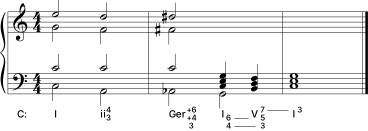
Chord 3 to Chord 4
From chord 3 to chord 4 we continue to follow the chromatic tendency tones upward. D
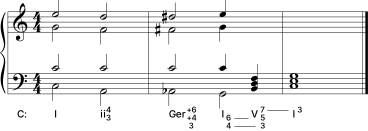
Chord 4 to Chord 5
You've probably noticed the dashes between the figures under chords 4-6. These dashes are there to remind us to resolve each of those intervals within the same voice. In chord 4 the 6th above the bass is the E in the soprano. Let's move that down to the 5th above the bass as the figures indicate to the note D. In the tenor voice let's move the 4th (C) down to the 3rd (B). This leaves the alto voice to move down a whole step from G to F natural adding a 7th to the V chord.
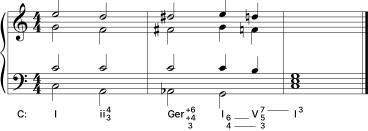
Chord 5 to Chord 6
From chord 5 to chord 6, the soprano will move down a step (D-C, Re-Do), the alto will move down a step (F-E, Fa-Mi), and the leading tone of the V7 chord in the tenor voice (B, Ti) will resolve freely by skipping to the 5th (G or Sol) of the tonic chord. This free resolution to create a complete triad is possible only when the leading tone is in an inner voice.
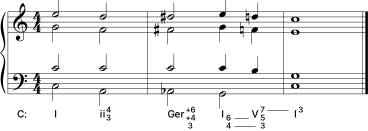
Voice Leading the German Augmented 6th Chord in a Minor Key
That leaves us finally with the spelling of the German augmented 6th chord common to minor key situations. Here is the bass line again but with one crucial difference: it is in the minor mode (1,
Bass Line with Ger+6 in the Key of C Minor:
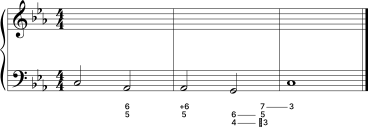
Here's the bass line with Roman numeral analysis.
Bass Line Analyzed:
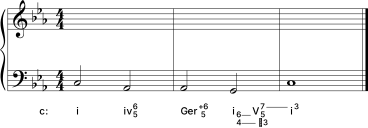
Close Position Chords over Bass Line
And once again, with the chords worked out in close position above the bass line.
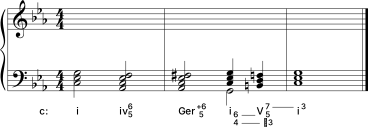
Chord 1 in Close Position Keyboard Style
This time let's realize the chord progression in keyboard style: four-part SATB texture but with the upper three voices written in the treble clef in the manner of a keyboard part. The soprano will start on C5 and the opening voicing of chord 1 will be close-spaced.
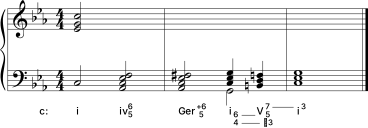
Chord 1 to Chord 2
Both C and E
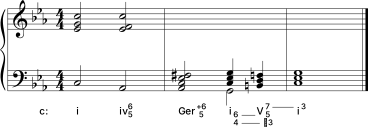
Chord 2 to Chord 3
From chord 2 to chord 3, the only movement is the diatonic 6 (F) in the alto voice to the raised 6 (F
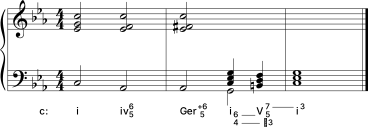
Chord 3 to Chord 4
From chord 3 to chord 4, the C and E
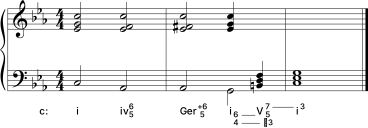
Chord 4 to Chord 5
From chord 4 to chord 5, once again we follow the dashed figures. In chord 4, C is a 4th above the bass and moves down to the leading tone, 3 natural of the V7 chord. Please notice that the leading tone has been altered with a natural to raise it one half step up from the B
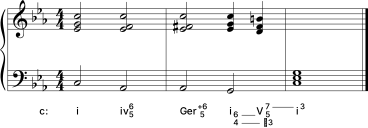
E
Chord 5 to Chord 6
From chord 5 to chord 6, each of the upper voices follows its melodic tendency. The soprano will move up from B to C, the alto, F to E
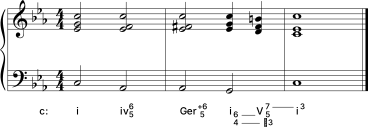
Alternate Voice Leading of V7 in Keyboard Style
And finally, here's an alternative ending. In this version the alto remains on the common tone G for the last three chords and the 7th of the V7 chord is treated as the upper neighbor of E
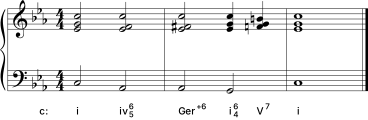
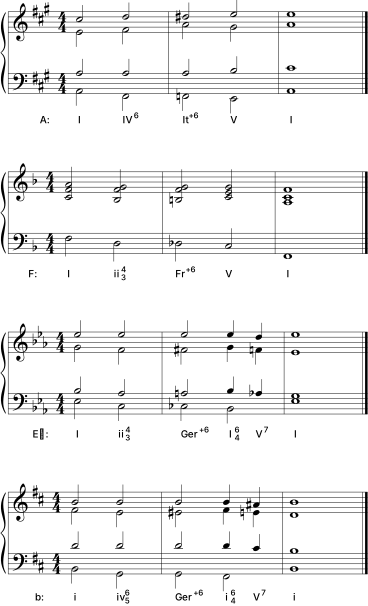
This has been an introduction to the voice leading processes associated with the augmented 6th chords. While we have shown just one way to voice lead (perhaps hinting at other pathways), each of the examples above has many different possible realizations. Keep in mind that the pathway through the progression is very much determined by the initial soprano note and the spacing of the first chord. Let the scale tone tendencies guide your choices wherever possible and the result will always be musical!
Workshop: Voice Leading Progressions
Download the attached PDF and try your hand at voice leading progressions that include augmented 6th chords. Check your work against the answer key.
Download Voice Leading Progressions (PDF)
Composers on Composing: Interviews with Composers about Music Theory and Creativity
This week, in lesson 4, three more composers share their thoughts on composition. They answer the same question posed to week 3's composers.
How does music theory and history inform your composition?
Composers interviewed in week 4:
Bonnie Hayes—Songwriter/performer/producer
Bill Elliott—Arranger and composer for film, television, and live performance
Marti Epstein—Contemporary classical music composer
Recap
In lesson 4 we learned how to:
understand the Neapolitan 6th chord, recognize and analyze it appropriately in chord progressions
understand the distinction between different types of augmented 6th chords, recognize and analyze them appropriately in chord progressions
understand more subtle distinctions in figured bass symbols and use them to describe musical examples
realize chord progressions that contain augmented 6th chords from figured bass in four parts with appropriate voice leading technique
understand and comment on how a selection of professional composers are influenced by historical practice in their writing
In lesson 5 we will be exploring voice leading the diminished 7th chord in classical, jazz, and popular music.